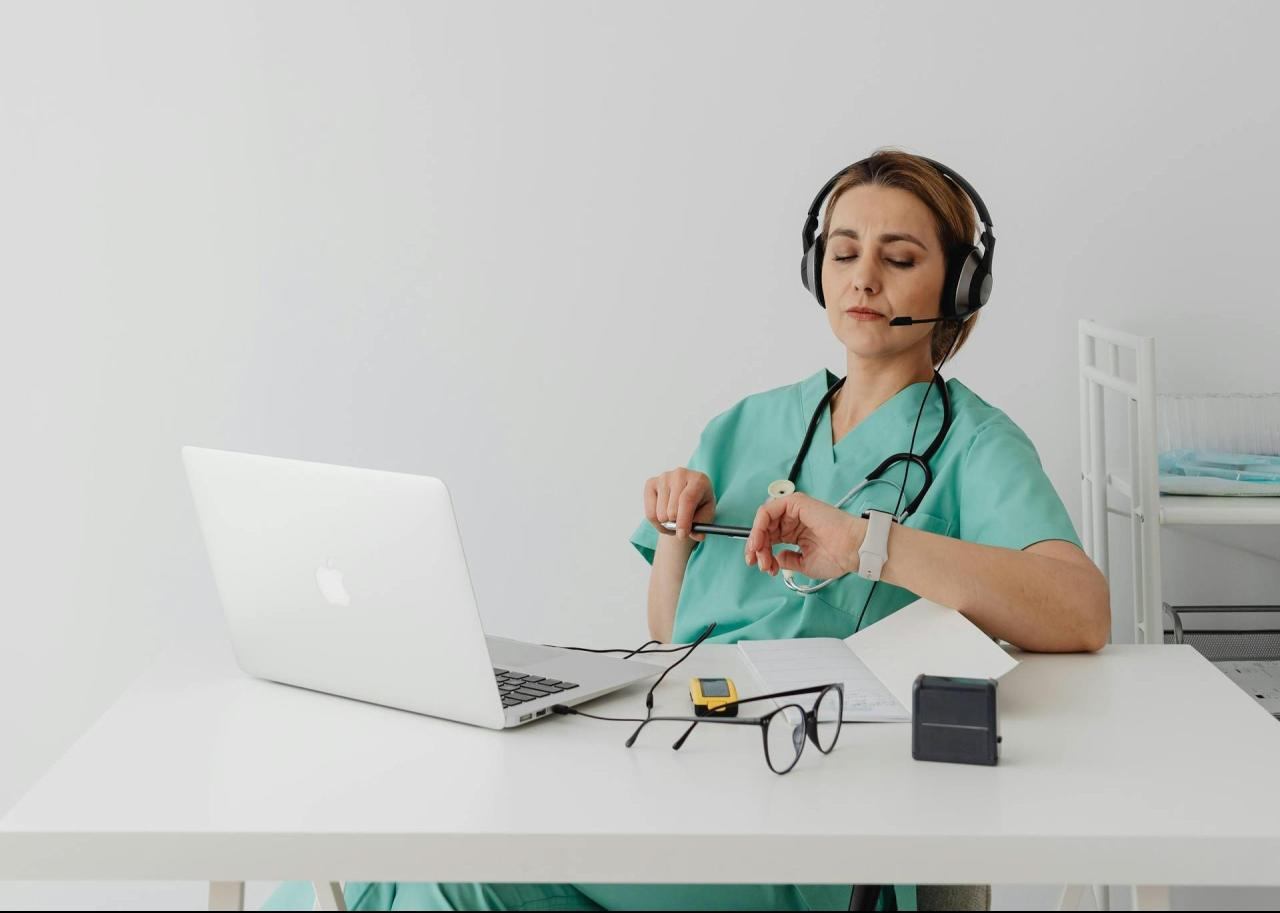
Exploring the Advantages of Online Learning for Nursing Assistants
Online learning is transforming many industries, including the education of nursing assistants. Let’s explore how this learning format can offer unique opportunities and significant advantages for those aspiring to enter this profession across Europe.
1. Flexibility and Accessibility of Online Learning
Online education offers unprecedented flexibility. Students can access learning materials and attend lectures at their own pace, balancing studies with personal and professional responsibilities.
This accessibility is particularly beneficial for individuals already working in the healthcare sector who want to update their skills without interrupting their current employment. Across Europe, many training institutions now provide flexible online learning environments designed to support working professionals.
2. Intuitive Platforms and Support from Qualified Instructors
Modern online learning platforms are designed to be intuitive and user-friendly, making the learning process smooth and engaging. Students are also supported by experienced instructors who are available to provide guidance and clarification throughout the course.
Even in remote settings, interaction with instructors plays an essential role in ensuring effective learning and professional development.
3. Experiential Learning and Student Engagement
Experiential learning methods—such as simulations, case studies, and practical exercises—help increase student engagement and improve practical readiness.
These teaching approaches allow students to gain hands-on knowledge that can be applied in real healthcare environments, helping them develop the confidence and competence needed for nursing assistant roles.
4. Continuous Education Even During Emergencies
Online learning also ensures that training can continue even during unexpected situations or emergencies.
Digital learning environments have proven to be essential for maintaining high standards of healthcare education and ensuring that professionals continue to develop their skills regardless of external challenges.
Free Courses: A Smart Investment in a Nursing Career
Pursuing professional development in the nursing field may seem expensive, but there are many free training opportunities available across Europe. These courses represent a strategic investment for gaining specialized knowledge and improving career prospects.
Let’s explore how to make the most of these opportunities.
1. Expanding Skills Without Financial Barriers
Free nursing assistant courses provide an excellent opportunity to specialize in various areas of healthcare support.
From home care assistance and disability support to learning modern healthcare techniques, these programs allow learners to stay aligned with labor market needs without placing financial strain on personal budgets.
Many of these courses are accredited by regional or national healthcare organizations across Europe, ensuring recognized and high-quality training.
2. Online and In-Person Training Options
The availability of both online and in-person courses allows students to balance learning with their personal schedules.
Online training is particularly helpful for individuals who cannot attend physical classes, offering the ability to study from home and progress at their own pace. Meanwhile, in-person programs provide direct interaction with instructors and peers, fostering a collaborative and stimulating learning environment.
3. Specialized Training Paths for Different Career Goals
There are also training programs designed for different healthcare roles and experience levels.
Some courses focus on healthcare support roles, patient assistance, and community care services. Many programs also include practical internships or clinical experiences, helping participants gain real-world exposure and making the transition into the workforce smoother.
Overcoming Distance Barriers in Nursing Education
Nursing education often faces unique challenges, particularly when geographical distance and financial limitations prevent students from accessing quality training.
Exploring innovative and accessible solutions is essential for building a strong future for aspiring healthcare professionals across Europe.
1. Geographic Distance as a Barrier
Geographic distance can present a major challenge for many healthcare students.
Online courses and digital learning platforms provide effective solutions by allowing students living in remote areas to access training without needing to relocate or travel long distances.
2. Economic and Technological Support
Financial limitations and lack of access to technology can also create obstacles.
Scholarships, free learning resources, and accessible online platforms play a crucial role in supporting students who want to pursue healthcare education.
Digital literacy and training are also important to ensure that students can effectively use online learning tools.
3. Online Interaction and Tutoring
Another common challenge in remote education is limited interaction with instructors.
Online tutoring systems, discussion forums, and virtual classrooms can significantly improve the learning experience, creating a supportive environment where students and instructors can communicate and collaborate effectively.
Many European distance-learning healthcare platforms now provide accredited online training programs designed specifically for healthcare professionals who need continuous education.
4. Innovative and Flexible Solutions
To overcome barriers in nursing education, institutions across Europe are adopting flexible and innovative solutions.
These include expanding online training programs, providing financial support for students, improving digital education resources, and implementing online mentoring systems.
Such initiatives help ensure equal access to quality training for aspiring nursing assistants throughout Europe.
Common Misconceptions About Online Nursing Assistant Courses
Many aspiring nursing assistants question whether online courses are truly valid or recognized. Let’s address some of the most common misconceptions with accurate information about healthcare education in Europe.
1. Official Recognition of Online Courses
A common belief is that online courses are not officially recognized. In reality, many European distance learning healthcare programs follow strict accreditation standards and are recognized by healthcare institutions and professional organizations.
This means the training meets established quality requirements and can contribute to professional development.
2. Quality of Free Courses
Another misconception is that free courses are of lower quality. However, many free training programs across Europe are provided by universities, healthcare organizations, and professional training institutions that maintain high educational standards.
Accessibility does not necessarily mean lower quality.
3. Continuing Education Credits and Professional Development
Some people also believe that online courses do not offer valid continuing education credits.
In fact, many distance learning programs provide recognized professional development credits that allow healthcare workers to maintain and improve their professional skills.
These programs support lifelong learning and ensure that healthcare professionals remain updated with modern medical practices.