Intro
Excavator operator jobs are attracting attention from people interested in construction, site work, and heavy equipment careers. Learn what the role may involve, what skills are commonly needed, and how to compare job options before applying.
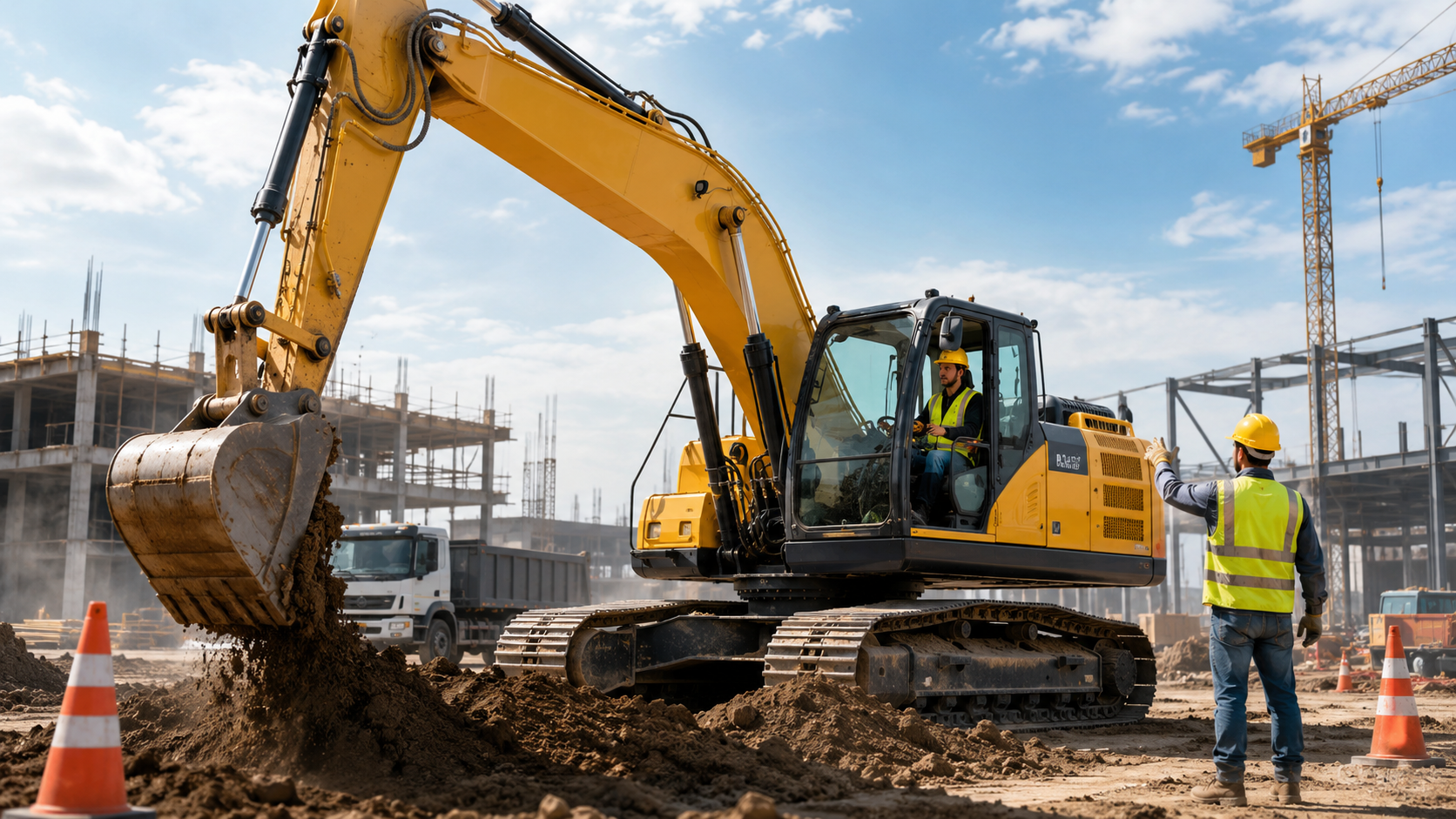
Understanding the Role of an Excavator Operator
Excavator operators play an important role on many construction and infrastructure sites. Their work often involves operating heavy machinery to move soil, dig trenches, prepare foundations, clear land, load materials, and support different stages of a project. Because excavators are used in roadwork, building construction, utilities, landscaping, demolition, and site preparation, this role can appear across many types of job listings.
The position is not only about driving a machine. Operators may need to understand site instructions, follow safety rules, communicate with ground crews, and handle equipment carefully in changing work conditions. A skilled excavator operator usually pays close attention to movement, balance, visibility, signals, and the surrounding work area. This makes the role suitable for people who are focused, practical, and comfortable working around machinery.
For many job seekers, excavator operator work is appealing because it connects directly with visible, hands-on projects. Each site can be different, and the work may involve outdoor environments, teamwork, and equipment-based tasks. Before applying, it is helpful to understand what employers may look for and what daily responsibilities may include.
Skills That May Help in Excavator Operator Jobs
Excavator operator jobs often require a mix of technical ability, safety awareness, and reliable work habits. Operators may need to control digging depth, move materials accurately, follow marked areas, and avoid damaging underground lines or nearby structures. Good hand-eye coordination and steady machine control can make a strong difference in daily site performance.
Communication is also important. Excavator operators often work with supervisors, spotters, truck drivers, labor crews, and other equipment operators. Clear signals and careful listening can help keep the work organized and reduce mistakes on busy sites. Since construction environments can change quickly, operators may also need to adapt to weather, terrain, traffic flow, and project instructions.
Some roles may require previous equipment experience, while others may consider applicants with related construction background or equipment training. Requirements can vary depending on the employer, location, and project type, so reviewing each job description carefully is important.
Training, Certification, and Job Requirements
Requirements for excavator operator jobs can differ by region and employer. Some positions may ask for heavy equipment training, a valid license, safety certification, or experience operating similar machinery. Other listings may focus on construction site experience, equipment awareness, and the ability to follow safety procedures.
Training programs may introduce learners to machine controls, equipment inspection, basic maintenance checks, digging techniques, load handling, site safety, and communication practices. Practical training can be especially useful because excavator work involves real machine control and awareness of the surrounding environment.
Before choosing a training option or applying for a job, applicants should check local requirements and employer expectations. A clear job listing should explain the type of equipment used, required experience level, work setting, schedule format, and any certifications that may be needed.
How to Compare Excavator Operator Job Listings
When comparing excavator operator jobs, applicants can look beyond the job title. Important details may include the type of project, equipment size, site location, required experience, training expectations, and safety requirements. Some jobs may focus on residential construction, while others may involve roadwork, utilities, demolition, or large commercial sites.
It is also useful to review whether the employer explains daily tasks clearly. A strong listing should describe what kind of work the operator will perform and what qualifications are expected. Applicants may also want to check whether the role includes equipment inspection, basic maintenance reporting, teamwork with ground crews, or work in different site conditions.
By comparing several listings, job seekers can better understand which opportunities match their background and comfort level. This can make the application process more focused and help applicants choose roles that fit their skills and goals.
Explore Excavator Operator Job Options
Excavator operator jobs can be a practical option for people interested in construction, machinery, and hands-on site work. The role may involve machine operation, safety awareness, teamwork, and careful attention to detail.
Explore excavator operator job options, compare requirements, and learn what this heavy equipment career path may include.