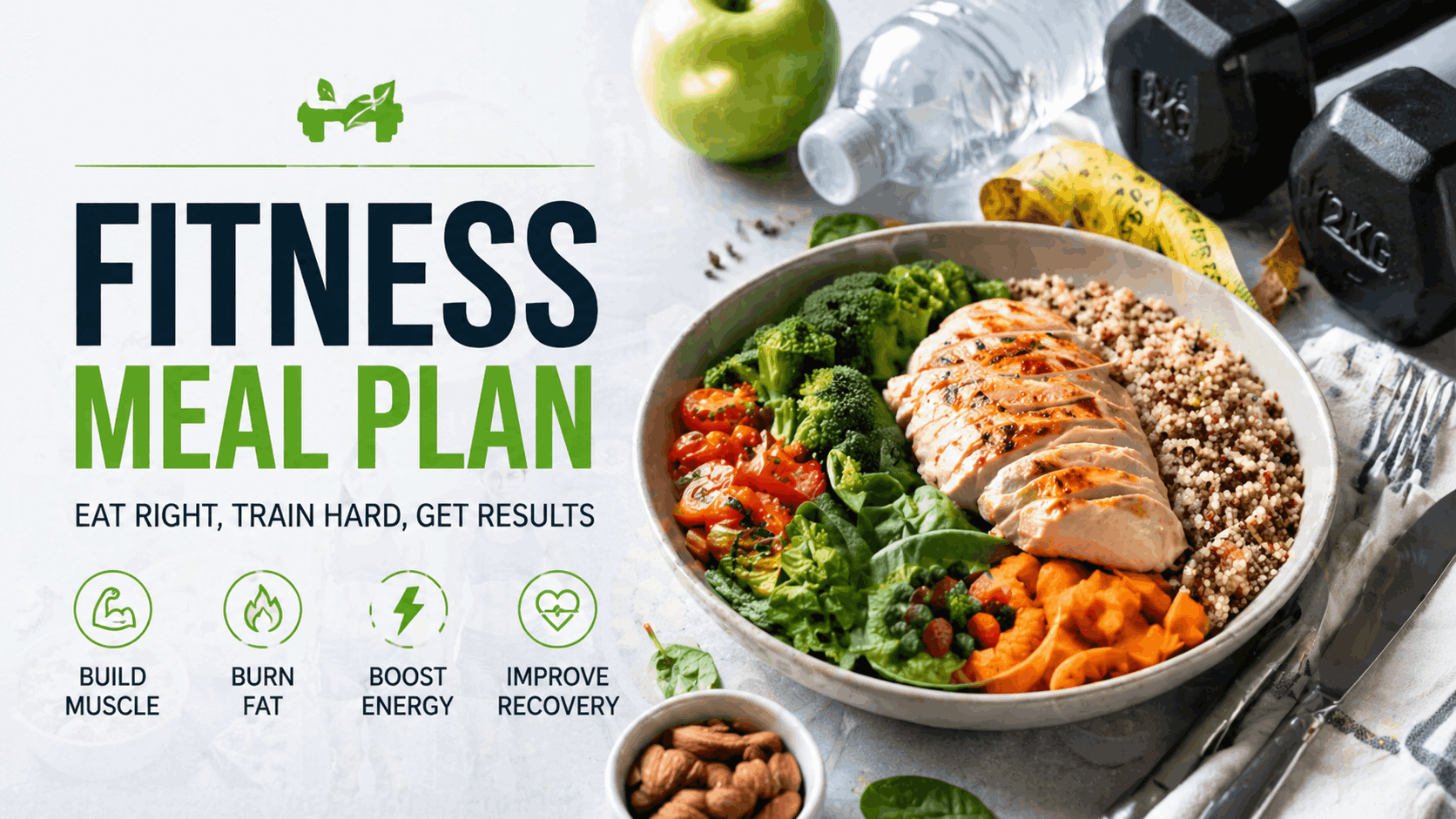
Fitness Diet Plans: The Ultimate Guide to Achieving Your Fitness Goals
When it comes to fitness, most people focus on workouts, equipment, and routines. But did you know that your diet is just as important, if not more, when it comes to achieving the body you desire? Whether you’re trying to lose fat, build muscle, or simply maintain a healthy lifestyle, a solid fitness diet plan can make all the difference.
Are you frustrated with not seeing results, even after hours in the gym? Or maybe you’re struggling with energy levels and recovery after your workouts? This is where a well-structured diet plan comes into play. Today, we’re going to guide you through the essentials of fitness nutrition and help you take your fitness journey to the next level.
Why Is Diet Crucial for Fitness Success?
Many people mistakenly think that fitness is only about working out. But diet is just as important. Your body needs fuel to perform and recover, and that fuel comes from the food you eat. Without the right nutrients, your workouts will suffer, and your results will be delayed.
Here’s why diet matters:
- Muscle Building: Protein is essential for muscle repair and growth. Without enough protein, your muscles won’t recover properly, and your gains will be limited.
- Fat Loss: If you’re trying to shed fat, a calorie deficit combined with the right nutrients will help you burn fat efficiently.
- Energy and Recovery: Carbohydrates and healthy fats are crucial for keeping energy levels up during workouts and speeding up recovery afterward.
Key Elements of a Fitness Diet Plan
A proper fitness diet plan revolves around several key components, including protein, carbohydrates, healthy fats, and meal timing. Here’s what you need to focus on:
1. High Protein Intake
Protein is the building block of muscle. To effectively build muscle or maintain it while losing fat, aim for at least 1.6 to 2 grams of protein per kilogram of body weight per day.
- Protein Sources: Chicken breast, turkey, lean beef, fish, eggs, tofu, and protein powder.
2. Balanced Carbohydrates
Carbs are your primary energy source, especially for high-intensity workouts. Healthy carbs will fuel your body during exercise and keep your energy up throughout the day.
- Carb Sources: Brown rice, whole wheat bread, oats, sweet potatoes, fruits, and vegetables.
3. Healthy Fats
Fats play a vital role in hormone regulation, energy production, and the absorption of essential vitamins. While you want to limit unhealthy fats, healthy fats are a must.
- Fat Sources: Avocado, olive oil, nuts, seeds, and fatty fish.
4. Meal Timing
When you eat matters. Eating smaller meals throughout the day helps keep your metabolism high and your energy stable. Aim for 5-6 smaller meals to maintain a steady supply of nutrients.
Sample Fitness Meal Plans
Here are examples of fitness meal plans for different goals: muscle building, fat loss, and overall health maintenance.
- Muscle Building Meal Plan:
- Breakfast: Oats with protein powder, nuts, and fruit.
- Lunch: Grilled chicken breast, brown rice, and steamed vegetables.
- Dinner: Salmon, sweet potatoes, and green salad.
- Snack: Greek yogurt with honey and almonds.
- Fat Loss Meal Plan:
- Breakfast: Protein omelet with spinach and tomatoes.
- Lunch: Grilled chicken breast, leafy greens, and olive oil vinaigrette.
- Dinner: Baked salmon, broccoli, and roasted sweet potatoes.
- Snack: Low-fat Greek yogurt or a handful of almonds.
- Health Maintenance Meal Plan:
- Breakfast: Whole grain toast with avocado and eggs.
- Lunch: Grilled chicken breast, quinoa, and vegetables.
- Dinner: Cod fish, rice, and steamed veggies.
- Snack: Fruit and a small handful of nuts.
Frequently Asked Questions (FAQs)
Q1: When should I eat?
It’s important to eat at the right times. Eat 1-2 hours before a workout to fuel your body with carbs and protein. After your workout, consume protein and carbs within 30 minutes to help your muscles recover and replenish your energy stores.
Q2: What should I do if I’m struggling to gain weight?
If you’re finding it hard to gain weight, you might not be eating enough calories. Make sure you’re consuming enough protein and carbohydrates, and increase your calorie intake by eating more calorie-dense foods like avocado, nuts, and whole grains.
Q3: What foods should I avoid during fat loss?
To lose fat, avoid highly processed foods, sugary drinks, fried foods, and snacks high in empty calories. Focus on eating whole, nutrient-dense foods like lean proteins, vegetables, fruits, and whole grains.
Conclusion
Whether you’re trying to build muscle, lose fat, or simply maintain a healthy lifestyle, a well-balanced diet is the cornerstone of any fitness plan. By eating the right foods at the right times, you can maximize your workouts, boost recovery, and reach your fitness goals faster.