Explore the world of forklift jobs in Germany, including an overview of roles, daily tasks, responsibilities, work environments, and over 40 available opportunities. Learn what it takes to succeed in this in-demand field, from training requirements to key expectations, and discover how to prepare for a rewarding career in logistics and warehouse operations.
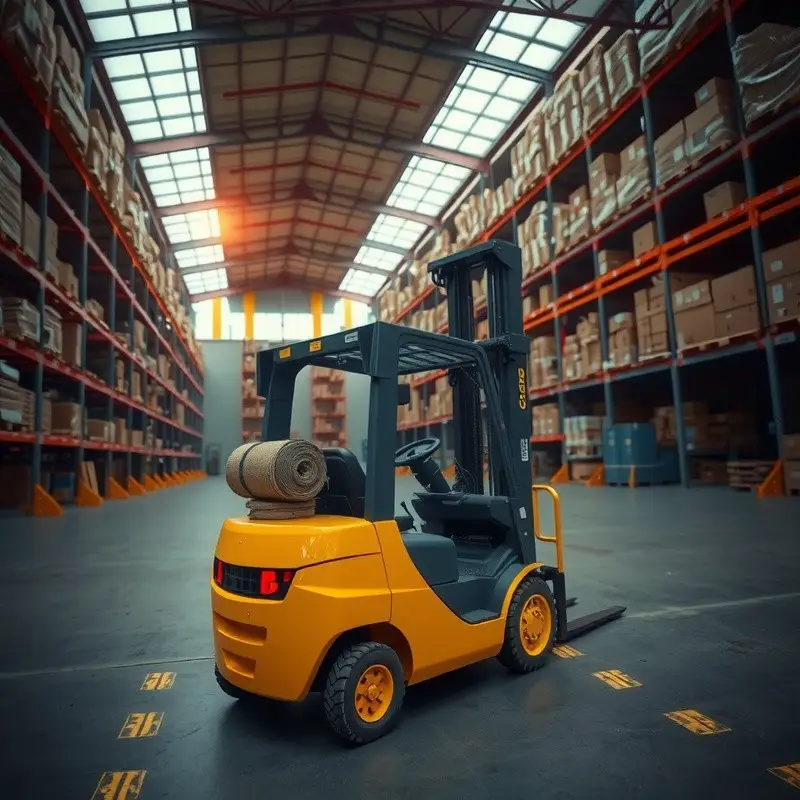
An Overview of Forklift Roles in Germany
Forklift operators play a critical role in Germany’s thriving logistics, manufacturing, and retail sectors, ensuring the smooth movement of goods across warehouses, distribution centers, and industrial sites. These roles are in consistent demand, with opportunities spread across every major region of the country, from the industrial hubs of Bavaria to the port cities of Hamburg and Bremen. Unlike some entry-level positions, forklift roles in Germany often come with structured training, competitive wages, and clear pathways for career advancement, making them an attractive option for both local job seekers and international candidates looking to build a stable career in Europe.
Understanding Forklift Jobs in Germany
To succeed in a German forklift role, it’s important to understand the unique expectations and standards that define these positions. German workplaces prioritize safety, efficiency, and adherence to strict regulations, so forklift operators must be able to demonstrate a thorough knowledge of local safety protocols, including those set by the German Social Accident Insurance (DGUV). Additionally, many employers prefer candidates who have completed a recognized forklift training program, which typically covers both theoretical knowledge and practical hands-on experience. While some roles may require basic German language skills to communicate with team members and follow safety instructions, there are also opportunities for multilingual candidates in international logistics hubs.
Daily Tasks and Equipment Handling for Forklift Operators
Informational guides on forklift work in Germany outline a range of core warehouse tasks that operators can expect to perform on a daily basis. These include loading and unloading delivery trucks, moving pallets of goods between storage areas and production lines, organizing inventory in racking systems, and conducting pre-shift inspections of forklift equipment to ensure it is in safe working order. Operators may also be responsible for maintaining accurate inventory records using warehouse management software, which requires basic computer literacy. The equipment used in German warehouses varies depending on the sector, but common types include counterbalance forklifts, reach trucks, pallet jacks, and order pickers. Each piece of equipment requires specific training to operate safely, and employers often provide on-site training for specialized machinery.
Responsibilities and Work Environments for Forklift Roles
Public resources outlining forklift roles in Germany highlight a set of key responsibilities that operators must fulfill to maintain a safe and efficient workplace. These include following all safety guidelines, reporting any equipment malfunctions or hazards immediately, working collaboratively with warehouse staff to meet daily production targets, and ensuring that all goods are handled and stored correctly to prevent damage. The work environment for forklift operators in Germany can vary widely, from large, climate-controlled distribution centers to outdoor industrial yards. Some roles may require working shifts, including early mornings, evenings, or weekends, especially in sectors that operate 24/7, such as e-commerce and logistics. However, many employers offer flexible scheduling options and competitive overtime pay for shift work.
Duties and Expectations for Forklift Jobs in Germany
Informational resources on forklift jobs in Germany also detail the specific duties and expectations that employers have for their operators. These include being punctual and reliable, having a strong attention to detail to avoid errors in inventory management, and being able to work independently with minimal supervision. Many employers also expect operators to participate in regular safety training and performance reviews to ensure that they are meeting the company’s standards. Additionally, some roles may require operators to assist with other warehouse tasks, such as packing goods, labeling pallets, or cleaning work areas, especially during peak periods. By fulfilling these duties, forklift operators can contribute to the overall success of the warehouse and build a positive reputation with their employer.
40+ Forklift Driving Opportunities in Germany
Currently, there are over 40 forklift driving opportunities available across Germany, with roles in a variety of sectors including logistics, manufacturing, retail, and construction. These opportunities range from entry-level positions for candidates with basic training to senior roles for experienced operators with specialized skills, such as operating heavy-duty forklifts or managing a team of operators. Many of these roles offer competitive wages, ranging from €12 to €18 per hour, depending on the sector, location, and level of experience. Additionally, some employers provide benefits such as health insurance, paid vacation, and career development opportunities, making them an attractive option for job seekers looking for long-term stability. To apply for these roles, candidates can use online job portals, contact recruitment agencies specializing in logistics roles, or apply directly to companies with open positions. It’s important to tailor your resume and cover letter to each job application, highlighting your relevant training, experience, and skills, and to be prepared to complete a practical forklift test as part of the hiring process.
How to Prepare for a Forklift Job in Germany
If you’re interested in pursuing a forklift job in Germany, there are several steps you can take to prepare yourself for success. First, you should complete a recognized forklift training program, which will provide you with the necessary skills and knowledge to operate forklifts safely and efficiently. You can find training programs through local vocational schools, private training providers, or employer-sponsored programs. Additionally, you should familiarize yourself with the German safety regulations for forklift operators, including those set by the DGUV, to ensure that you are able to meet the country’s strict safety standards. If you are an international candidate, you may also need to obtain a work permit and improve your German language skills to communicate effectively with your team members. Finally, you should start searching for job opportunities using online job portals, recruitment agencies, and company websites, and be prepared to submit a professional resume and cover letter, as well as complete a practical forklift test and interview as part of the hiring process.