Packaging roles span a wide range of responsibilities—from entry-level packing at e-commerce fulfillment centers to highly regulated pharmaceutical packaging and advanced materials engineering focused on sustainability. This overview outlines the primary categories of packaging jobs in the US, the typical duties and skill sets employers seek, and practical steps job seekers may take to evaluate opportunities in their area while aligning their experience and training with industry requirements.
Introduction
Packaging functions are a visible and operationally critical component of modern supply chains. Whether in high-volume e-commerce fulfillment centers, regulated pharmaceutical and food environments, creative packaging design studios, or third-party logistics (3PL) operations that support global trade, packaging roles contribute to product protection, regulatory compliance, customer experience, and cost control. This article summarizes the principal categories of packaging jobs, outlines typical responsibilities and career pathways, and highlights certifications, regulatory considerations, and market-oriented skills relevant to job seekers in the US.
1. Entry-Level Packing Positions in E-Commerce Fulfillment Centers
Definition and role: Entry-level packing positions commonly appear in fulfillment centers operated by retailers and e-commerce platforms. Workers typically perform picking, packing, labeling, sealing, and staging for shipment. These roles emphasize accuracy, speed, and adherence to packaging specifications to protect goods and meet carrier requirements.
Typical responsibilities of entry-level packers include picking items to customer orders, verifying SKUs and quantities, selecting appropriate packaging materials, affixing shipping labels and documentation, and preparing packages for carrier pickup. In many operations, packers may also perform light quality checks and return processing.
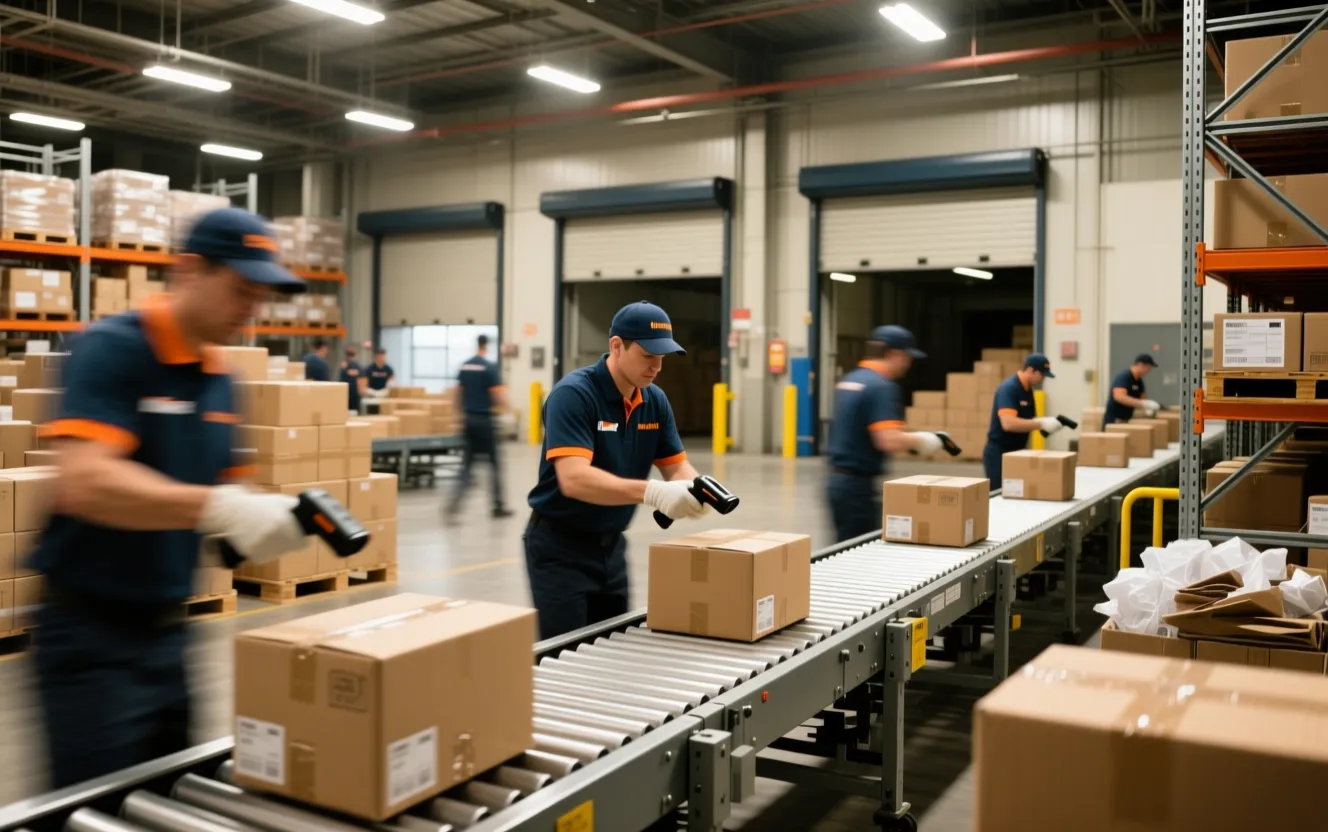
Operational impact: Effective packing supports on-time delivery and reduces damage-related returns, which in turn influences customer satisfaction and costs across the supply chain. Many fulfillment centers measure packer performance with metrics such as units packed per hour, order accuracy rates, and package damage incidents. These metrics are used to identify training needs and process improvements.
Career pathways and skills development: Entry-level packing roles may lead to positions such as lead packer, shift supervisor, inventory specialist, or shipping coordinator. Skills developed on the job—inventory control, familiarity with warehouse management systems (WMS), basic maintenance of packaging machinery, and workplace safety awareness—are transferable to other logistics and operations roles. Employers often provide on-the-job training and may prioritize candidates with basic mechanical aptitude, attention to detail, and reliability.
2. Specialized Packaging Roles in Regulated Industries

Scope and regulatory environment: Industries such as pharmaceuticals, medical devices, and food and beverage have specific regulatory and quality requirements for packaging. Standards and guidance from organizations such as the U.S. Food and Drug Administration (FDA) and international standards bodies like ISO influence process controls, labeling, tamper-evidence, and traceability. Packaging in these sectors must support product safety, stability, and regulatory compliance across production and distribution.
Examples of regulated packaging tasks include aseptic and cleanroom packaging, serialization and track-and-trace labeling for pharmaceuticals, child-resistant and tamper-evident packaging for certain products, and compliance with food-contact material regulations. Roles in these environments may include packaging technician, packaging operator, quality assurance packaging specialist, and regulatory packaging coordinator.
Skills and certifications: Employers typically seek candidates with a documented understanding of Good Manufacturing Practices (GMP), Hazard Analysis and Critical Control Points (HACCP) for food-related roles, or relevant pharmaceutical packaging training. Certifications and training programs—such as GMP awareness courses or industry-specific packaging trainings—may support candidacy, particularly for roles that involve cleanroom protocols or controlled environments. Experience with electronic batch records and controlled documentation systems is commonly valued.
Career stability and demand: Specialized packaging roles in regulated industries may offer more stable, higher-paying opportunities compared with some entry-level logistics roles due to the technical requirements and compliance responsibilities. Professionals who combine packaging operations experience with quality systems knowledge often move into supervisory, compliance, or validation roles within manufacturing organizations.
3. Innovative Packaging Design and Engineering Roles
Definition and industry trends: Packaging design and engineering jobs focus on developing packaging solutions that protect products, optimize logistics, and respond to consumer and regulatory pressure for sustainability. Packaging engineers, structural designers, and materials scientists work on topics such as corrugate optimization, lightweighting, recyclable materials, compostable substrates, and packaging life-cycle analysis.

Responsibilities and typical projects: Packaging engineers evaluate product protection needs, design packaging structures using CAD and prototyping tools, select materials to balance cost and environmental impact, and coordinate testing for drop, vibration, and environmental stress. Projects may involve reducing material usage, identifying recyclable or compostable alternatives, or redesigning secondary packaging to improve pallet utilization and reduce freight costs.
Required background and skills: Employers commonly seek candidates with degrees in packaging science, mechanical engineering, materials science, or industrial design. Proficiency in CAD software, understanding of regulatory constraints for packaging materials (for example, food-contact approvals), and familiarity with sustainability assessment tools (such as life-cycle assessment frameworks) are advantageous. Communication skills are important because packaging engineers frequently coordinate with product development, procurement, and operations teams.
Career outlook and opportunities: The push for sustainable packaging has led to growth in roles that combine engineering with environmental science and supply chain analysis. Professionals in this track may advance to roles in R&D, product stewardship, or sustainability leadership, where they help companies meet corporate responsibility goals and regulatory expectations.
4. Logistics and Distribution Packaging Roles in 3PL Companies
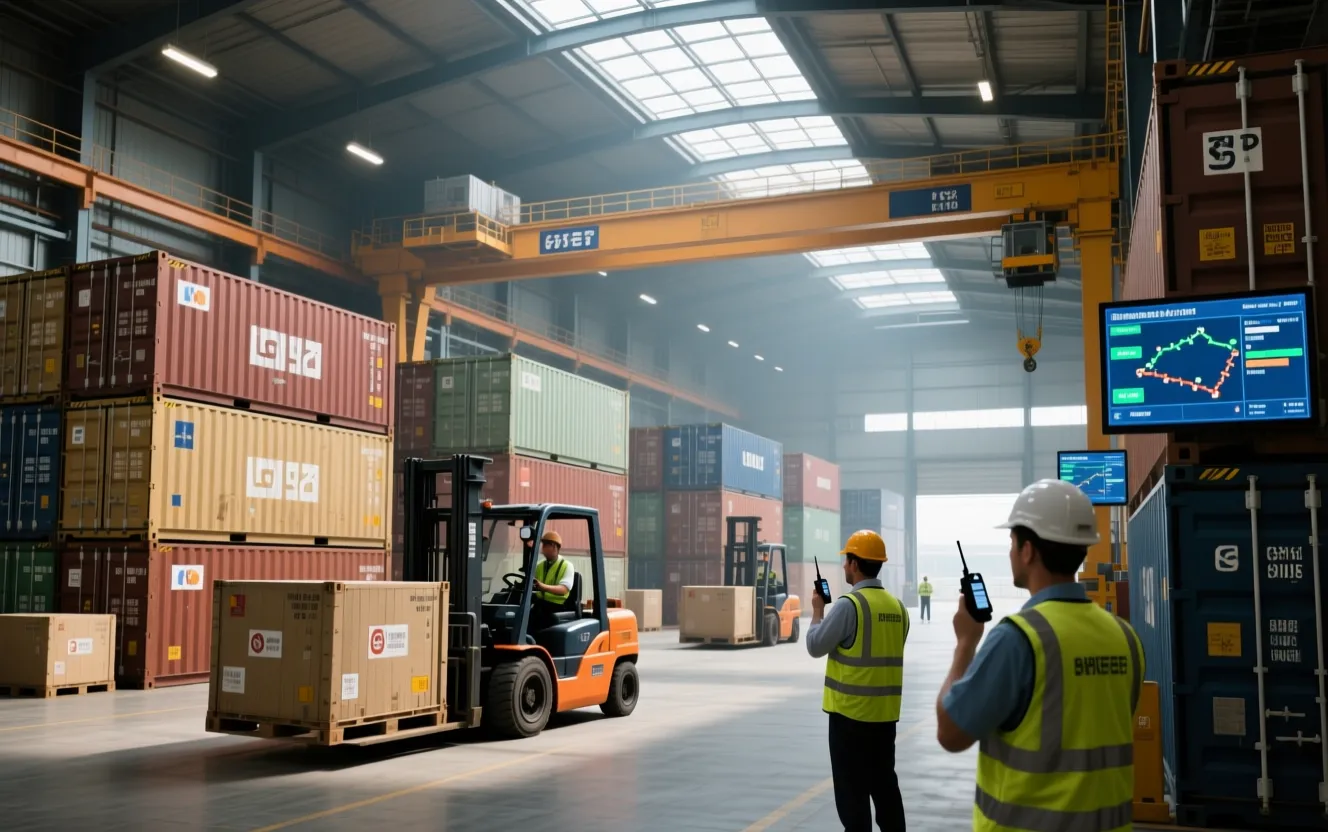
Role of 3PLs: Third-party logistics (3PL) providers handle warehousing, packaging, and distribution on behalf of multiple clients. Packaging professionals in 3PL settings must be adaptable—designing cost-effective and client-specific packaging solutions, consolidating shipments to optimize freight, and ensuring compliance with international shipping regulations and carrier requirements.
Examples of 3PL packaging responsibilities include kitting and light assembly, re-boxing for retail presentation, palletization for international freight, and preparation of export documentation. Packaging teams in 3PLs may perform value-added services such as custom labeling, bundle creation, or returns rework for e-commerce sellers.
Skills that support success in 3PL packaging roles include knowledge of Incoterms and international shipping documentation, familiarity with multi-client operations and billing systems, and the ability to apply packaging standards across diverse product types. Flexibility, problem-solving, and strong process orientation are often cited by employers as essential traits.
How to Evaluate Packaging Job Opportunities and Where to Start
Assess your transferable skills and interests: Begin by listing hands-on skills (e.g., packing and labeling, machine operation), technical skills (e.g., CAD, WMS), and regulatory knowledge (e.g., GMP, HACCP). Consider the work environment you prefer: fast-paced e-commerce, climate-controlled cleanrooms, creative studio settings, or client-facing 3PL facilities.
Match training and certifications to job requirements: Short courses or certifications—such as packaging technician training, GMP awareness, or CAD instruction—may strengthen applications. Industry associations and community colleges frequently offer targeted programs. For regulated roles, documented training in applicable quality systems is commonly required.
Use targeted job-search strategies: When looking for packaging positions, use keywords like “packaging jobs,” “packing jobs,” and “packaging coordinators” to identify relevant postings on major job boards and employer websites. Tailor résumés to highlight measurable achievements (order accuracy rates, throughput improvements, or successful packaging redesigns) and be prepared to describe process knowledge and safety practices during interviews.
The Role of Packaging Coordinators
Definition and responsibilities: Packaging coordinators are often responsible for planning and overseeing packaging operations. Duties may include coordinating packaging schedules, maintaining packaging material inventories, communicating packaging specifications to production or suppliers, and ensuring compliance with client or regulatory requirements.
Key competencies: Strong organizational skills, clear communication, familiarity with inventory management systems, and the ability to interpret technical packaging specifications are typical requirements. Packaging coordinators may also liaise with carriers and customs brokers when shipments cross borders, so familiarity with shipping documentation and basic international trade terminology can be beneficial.
Career prospects: Packaging coordinators may advance into roles such as packaging manager, supply chain planner, or operations manager depending on their exposure to cross-functional processes and experience managing projects that reduce costs or improve service levels.
Regulatory and Safety Considerations
Compliance obligations and testing: In regulated sectors, packaging must comply with labeling laws, material safety standards, and traceability requirements. For example, pharmaceutical packaging often requires serialization and tamper-evident features, while food packaging requires confirmation that materials are suitable for food contact. Employers generally require documented adherence to workplace safety standards and may expect familiarity with contact-point sanitation procedures and personal protective equipment (PPE) protocols in relevant roles. For regulatory information, refer to authoritative sources such as the FDA (https://www.fda.gov) and ISO (https://www.iso.org).
Quality systems and documentation: Packaging operations in regulated environments typically operate under quality systems that control change management, batch records, and deviation handling. Experience with electronic documentation and a demonstrated attention to detail support success in these roles.
Compensation and Work Conditions
Wage range and factors: Compensation for packaging roles varies by industry, location, and skill level. Entry-level packing jobs in high-volume fulfillment centers often pay hourly wages that reflect regional labor markets, while specialized roles in pharmaceuticals or packaging engineering positions generally command higher salaries. Additional pay factors include shift differentials, overtime, and certifications that demonstrate specialized skills.
Work environment: Packaging jobs can range from physically active roles involving standing, lifting, and repetitive motion to office-based roles focused on design and coordination. Employers commonly provide training on ergonomics and safe material handling to reduce injury risk.
Advice for Job Seekers and Next Steps
Leverage practical experience and quantify impact: When preparing résumés, focus on measurable outcomes such as improvements in packing accuracy, reductions in packaging material costs, or successful rollout of a new packaging specification. Demonstrating specific examples of problem-solving and process improvements may support candidacy for higher-level opportunities.
Prioritize industry-relevant training: Consider short courses or certifications aligned with your target sector. For example, GMP-related training may be prioritized for pharmaceutical packaging roles, while CAD and material science courses may strengthen applications for design and engineering positions.
Network with industry groups and use employer resources: Industry associations, local workforce development centers, and community colleges often publish job listings and training resources. Participating in packaging-focused webinars or professional groups may provide insights into employer expectations and emerging skills—particularly in sustainable materials and packaging automation.
Conclusion
Packaging jobs encompass a broad set of roles that support product protection, regulatory compliance, sustainability goals, and efficient distribution. From entry-level packing positions that support e-commerce throughput to specialized regulated roles, packaging engineering focused on sustainable materials, and packaging services within 3PL operations, individuals can find career pathways that align with their skills and interests. Packaging coordinators serve a pivotal function by bridging operations, quality, and logistics.
Prospective candidates may improve their competitiveness by aligning training and certifications with target industries, highlighting measurable operational improvements, and demonstrating familiarity with relevant regulatory and safety practices. As supply chains continue to evolve, packaging professionals who combine technical know-how with adaptability and a process-oriented approach may find a range of opportunities across sectors.