Germany’s warehouse sector runs on a clock most job guides ignore: early, late, and night shifts define not just pay but who gets hired first. One in four logistics roles sits unfilled—and the gap rewards workers who read the schedule before the contract.
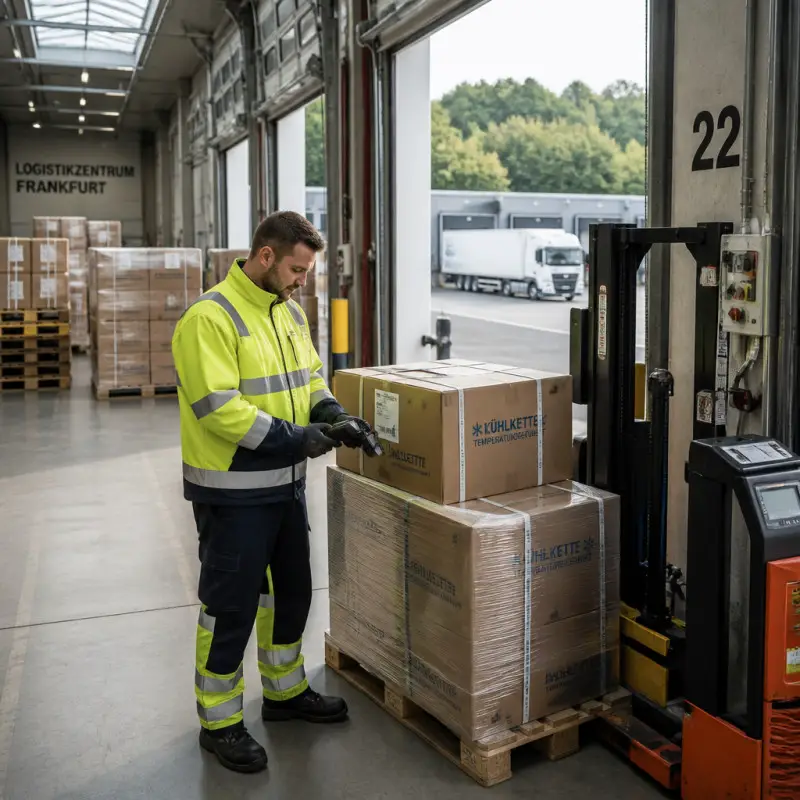
Guide to Warehouse Worker Roles, Shifts, and Logistics Jobs in Germany
Working in Germany’s warehouse sector could include different roles and schedules. That single sentence understates the system beneath it. A warehouse floor is not one job type stretched across buildings—it is a network of specialized tasks, each tuned to a shift pattern and a hiring channel. Warehouse roles in Germany may involve various shifts and logistics tasks, from receiving inbound freight at dawn to scanning outbound parcels after midnight.
We see three layers on most sites. Operatives handle physical movement: picking, packing, loading. Coordinators manage flow between zones. Supervisors align headcount with volume spikes. The person who pays for throughput cares about reliability first, language second, credentials third. That ordering explains why so many warehouse jobs in Germany list shift availability before experience requirements.
Core Warehouse Worker Roles on the Floor
The warehouse worker title covers more ground than outsiders expect. Pickers walk aisles with handheld scanners, pulling items for e-commerce orders. Packers verify weight and dimensions before sealing cartons. Receivers inspect inbound pallets, flag damage, and log quantities into a Warehouse Management System. Forklift operators move stock between racking levels—often the highest-paid operative tier when certification is current.
Inventory assistants reconcile physical counts against digital records. Returns processors handle the reverse flow that e-commerce growth made permanent. Each role carries distinct physical demands. Pickers log the most steps per shift. Packers repeat fine motor tasks for hours. Receivers work in loading bays where winter cold arrives without warning.
How Warehouse Shifts Shape Daily Life
Warehouse shifts in Germany typically fall into early, late, and night rotations. Early shifts start between 05:30 and 07:00, aligning with inbound truck arrivals. Late shifts cover afternoon outbound peaks. Night shifts maintain continuity when automated sortation runs around the clock. Weekend and holiday coverage is standard at fulfillment centers serving online retail.
Shift premiums matter. Night and Sunday work often adds percentage allowances on top of Germany’s statutory minimum wage. For entry-level warehouse jobs, those premiums can push gross monthly pay from roughly €2,000 toward €2,500 or higher depending on hours and region. The trade-off is social rhythm: families, language classes, and second jobs all compete with a rotating schedule.
- Early shift: Receiving, replenishment, and preparation before peak outbound windows
- Late shift: Picking, packing, and loading aligned with carrier cut-off times
- Night shift: Continuous sortation, cross-docking, and automated line feeding
- Weekend rotation: Common at e-commerce sites; often carries additional allowance rates
Understanding Logistics Jobs Beyond the Warehouse Floor
Logistics jobs extend past the building walls. Freight forwarding coordinates international movement. Last-mile delivery stations sort parcels for final distribution. Third-party logistics providers—3PL operations—manage warehousing and fulfillment for brands that outsource storage entirely. Learn more about logistics jobs in this broader sense, and the picture shifts from manual labor toward coordination, planning, and vendor management.
Germany’s logistics sector ranks among the largest economic segments in the country. Chronic vacancy rates—often cited around one in four open positions—mean employers compete on shift flexibility and onboarding speed as much as base pay. Foreign workers already represent a substantial share of warehouse staffing. The system rewards those who understand which logistics company hires for which function.
Logistics Coordinator and Back-Office Paths
Logistics coordinator jobs in Germany bridge the floor and the office. Coordinators track shipment status, resolve exceptions, and communicate with carriers. Inventory management logistics roles focus on stock accuracy, demand forecasting, and system configuration. These positions typically require stronger German than operative roles, but they offer a clearer path from warehouse experience toward salaried employment.
Seasonal logistics warehouse jobs surge before retail peaks—late autumn for holiday volume, mid-year for fashion cycles. Seasonal contracts can convert to permanent roles when performance and attendance records hold steady across busy periods.
Regional Hubs Where Logistics Jobs Cluster
Logistics jobs Germany-wide concentrate near transport infrastructure. The Rhine-Ruhr corridor around Dortmund hosts major fulfillment centers. Frankfurt’s airport zone draws air freight operations. Hamburg’s port feeds maritime logistics. Munich and Berlin add urban last-mile demand. Housing costs near these hubs often strain entry-level wages, which pushes many workers toward commuter towns with rail connections.
How 3PL Companies and Major Logistics Employers Compare
Not every warehouse job sits inside a retailer-owned building. Many flow through 3PL companies—third-party logistics firms that contract warehousing, fulfillment, and distribution on behalf of brands. Understanding 3PL logistics helps applicants target employers with sustainable volume rather than chasing misleading vacancy posts.
3PL providers range from global integrators running multi-client campuses to regional specialists serving single industries. The distinction matters for shift stability, training investment, and career progression. A worker at a dedicated 3PL site may handle products for dozens of brands in one week. A worker at a single-brand fulfillment center repeats narrower tasks at higher volume.
Global Integrators Versus Specialized Operators
DHL operates across freight, express, and contract logistics in Germany, with warehouse staffing needs spanning parcel hubs and dedicated client facilities. DB Schenker brings similar scale through land transport and warehousing networks. DACHSER emphasizes European groupage and contract logistics, hiring warehouse specialists and transit terminal operatives across German sites. Hellmann Worldwide Logistics adds project cargo and industry-specific warehousing. Maersk connects maritime freight with inland distribution, creating warehouse-adjacent roles at port-linked locations.
These integrators offer structured training, formal safety systems, and recognizable employment contracts. Base pay may sit at collective-bargaining levels, but overtime and shift premiums accumulate predictably. For applicants comparing logistics company options, integrator scale often means faster onboarding and clearer documentation for visa processes.
E-Commerce Fulfillment and Amazon Warehouse Jobs
Amazon warehouse jobs represent the highest-volume hiring channel in German e-commerce logistics. Fulfillment centers across states including North Rhine-Westphalia, Bavaria, and Hesse recruit warehouse associates and sortation staff year-round. Amazon warehouse near me searches spike because the company publishes shift schedules openly: early shifts near 06:00, late shifts past 22:00, and night rotations at select sortation sites.
Amazon fulfillment center jobs in Germany typically require no prior warehouse experience. Guaranteed pay progression after twelve and twenty-four months creates a visible earnings ladder—entry hourly rates near €15 gross rising with tenure. Fixed shift planning rather than constant rotation appeals to workers who need predictable schedules. The physical intensity remains high: standing, walking, and repetitive lifting across full shifts.
| Employer Type | Typical Roles | Shift Pattern | Best For |
|---|---|---|---|
| 3PL integrator (DHL, DB Schenker, DACHSER) | Receiving, picking, inventory, forklift | Rotating or fixed; client-dependent | Structured training, multi-industry exposure |
| E-commerce fulfillment (Amazon) | Picker, packer, sortation associate | Fixed early/late/night options | Rapid entry, published pay progression |
| Staffing agency placement | Temporary warehouse operative | Varies by client site | Quick start, trial-before-permanent routes |
| Specialized 3PL (HAVI Logistics, food cold chain) | Cold storage operative, inventory | Often night-heavy | Higher shift premiums, niche certification |
Staffing Agencies and Recruitment Channels
Randstad, SYNERGIE, and DEKRA Arbeit place temporary warehouse staff at client sites across Germany. Wackler Personal-Service and LOGISTIC PEOPLE focus specifically on logistics personnel. JAC Recruitment handles mid-level logistics coordinator placements. Indeed aggregates listings but requires filtering—legitimate sponsors display registered company details, while vague visa-promise posts deserve skepticism.
Agency routes offer speed. A worker can start within days at a client warehouse through Temporary Labor Placement services. The trade-off is contract complexity: agency employment differs from direct hire on benefits, notice periods, and transfer rights. German Business Solution and similar consultancies assist international applicants navigating documentation, though verified employer sponsorship remains the decisive factor for non-EU workers.
Best Employers and Pay Ranges for Warehouse Jobs in Germany
Commercial intent meets reality in the comparison most applicants actually need: who pays what, for which shift, with which growth path. Best logistics employers for entry-level warehouse workers combine transparent shift premiums, recognized training programs, and legitimate sponsorship capacity for international hires.
Entry warehouse jobs in Germany typically start between €1,800 and €2,300 gross monthly for full-time hours at minimum-wage-equivalent rates. Forklift operator warehouse jobs in Germany push toward €2,400–€2,800 when certification and night allowances combine. Supervisor roles begin near €2,800–€3,400 depending on site size and collective agreement coverage. These ranges vary by federal state—southern hubs often pay more but charge more for housing.
Salary Components Worth Reading Before Signing
German warehouse contracts separate base hourly pay from Zuschläge—allowances for night, Sunday, and holiday work. Overtime beyond contracted hours triggers additional premiums under most Tarifverträge. Christmas and vacation bonuses appear in many logistics firms under collective agreements. Applicants comparing offers should calculate total gross compensation across a full month of realistic shifts, not headline hourly rates alone.
- Confirm whether shifts are fixed or rotating before accepting
- Ask which Tarifvertrag or Betriebsvereinbarung governs pay and allowances
- Verify forklift certification requirements and whether the employer funds training
- Check probation period length—typically six months in direct employment
- For non-EU applicants, confirm the employer holds recognized sponsorship status
- Request written confirmation of housing support or relocation assistance if advertised
Tools and Systems You Will Encounter
Modern warehouses run on interconnected equipment and software. A Barcode Scanner ties every physical movement to digital inventory. Order Picking Cart designs reduce walk time in high-volume zones. Pallet Jack and Forklift Truck operations require safety certification refreshed on schedule. Conveyor Belt System and Automated Guided Vehicle installations appear at larger 3PL campuses, shifting some tasks from manual transport to machine monitoring. Warehouse Management System interfaces—often SAP-based at integrator sites—demand basic computer literacy beyond physical stamina.
From First Warehouse Shift to Long-Term Logistics Career
The warehouse is a filter, not a dead end—though the system only rewards those who treat it that way. Workers who master one shift pattern, earn forklift credentials, and pick up functional German move from warehouse operative toward team leader, shift supervisor, and logistics coordinator within three to five years. Workers who chase marginal hourly gains across agencies without building skills often remain at entry pay despite years of tenure.
Quereinstieg and Career Change Entry Points
Career changers without logistics CVs enter through Quereinstieg—direct entry paths emphasizing reliability, physical fitness, and teamwork over formal credentials. Order picker and packer roles accept applicants with no prior warehouse background. Part time warehouse shifts in Germany suit residents balancing family obligations or parallel education. Fachkraft für Lagerlogistik apprenticeship programs offer structured qualification for those willing to commit two to three years of combined work and classroom training.
Forklift Driver Training funded by employers converts the highest-demand certification into a pay step within months. Workers arriving from EU countries face fewer bureaucratic barriers than non-EU applicants, but language remains the practical gatekeeper for safety briefings and WMS navigation.
What International Applicants Should Verify First
Non-EU job seekers confront a documentation chain: recognized employer sponsor, work visa or Opportunity Card eligibility, qualification recognition for licenses held abroad, and housing secured before arrival. Employers requiring on-site trial days before sponsorship create a chicken-and-egg problem for applicants still overseas. Legitimate channels—direct employer portals, registered staffing agencies, and platforms like Indeed with verifiable company profiles—reduce exposure to fraudulent visa-sponsorship advertising.
English-only communication survives on some multinational warehouse floors where thirty or more nationalities share shifts. Safety instructions, emergency protocols, and system prompts still demand basic German within months of starting. The investment pays back in fewer mis-picks, faster promotion consideration, and access to coordinator roles that rarely hire without conversational fluency.
Building Leverage on the Logistics Network
Germany’s unfilled warehouse jobs are not a charity—they are a signal that the network values bodies that show up on time more than credentials that look impressive on paper. Workers who understand 3PL structures, read shift contracts carefully, and embed themselves in one employer’s rhythm before jumping for small pay differences build the trust that supervisors promote. The logistics company that hires you first is rarely the one that employs you longest. The best plan is resilience: learn the floor, earn the certificate, feed the network with reliability, then choose your next move from strength rather than urgency.
Explore the guide for more information on specific roles, regional employers, and the documentation paths that separate legitimate logistics careers in Germany from expensive dead ends. Warehouse jobs near me matter less than warehouse jobs matched to your shift tolerance, language level, and sponsorship reality. The sector will keep hiring. The question is whether you arrive with the schedule literacy to make the system work in your favor.