Discover the ins and outs of working in Belgium as a warehouse worker, including daily duties, key logistics environments, and what a comprehensive guide to the role covers. Gain insights into job requirements, career progression, and why this role offers a stable, rewarding path in Belgium’s thriving logistics sector.
Understanding the Role of a Warehouse Worker in Belgium
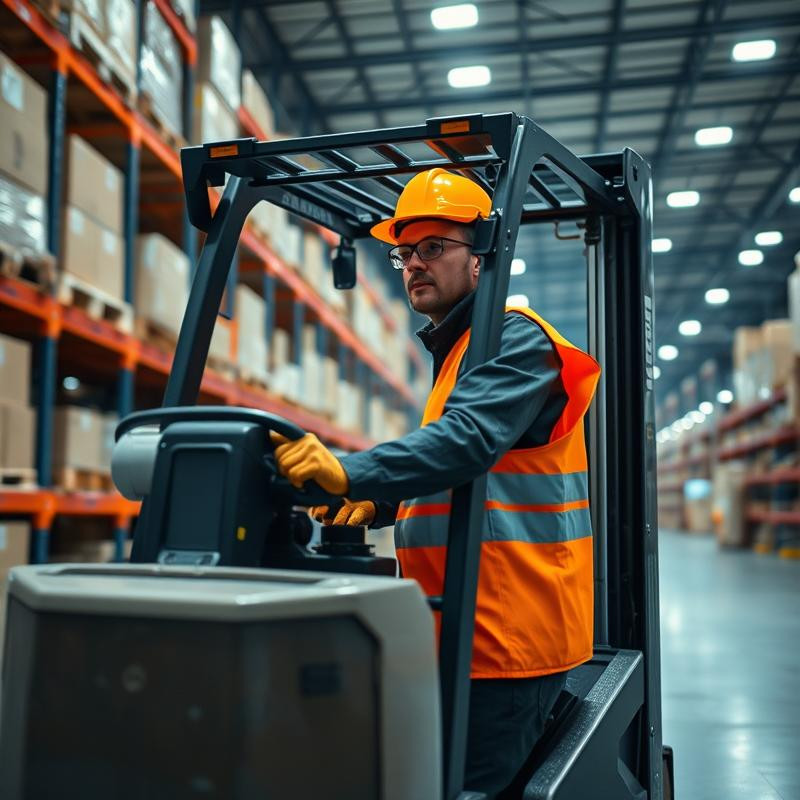
Working in Belgium as a warehouse worker offers a stable entry point into the logistics sector, a key industry in the country’s economy. Daily operations center around supporting the smooth flow of goods, from receiving shipments to preparing orders for delivery. Typical duties include unloading and loading trucks, sorting and storing inventory, picking and packing items for distribution, and maintaining a clean, safe workspace. These tasks vary slightly based on the logistics environment, which can range from large-scale distribution centers serving national retail chains to smaller specialized warehouses focused on niche products like pharmaceuticals or electronics.
Key Logistics Environments for Warehouse Workers
Belgium’s strategic location in the heart of Europe makes it a hub for logistics, so warehouse workers can find opportunities in several distinct settings. Distribution centers are the most common, handling high-volume, fast-moving goods for major retailers and e-commerce platforms. These facilities often use automated systems like conveyor belts and barcode scanners, so workers may need basic digital literacy. Cold storage warehouses are another critical environment, storing perishable goods such as food and pharmaceuticals; these require workers to follow strict temperature control protocols and wear specialized protective gear. Additionally, cross-docking facilities focus on transferring goods directly between incoming and outgoing trucks, minimizing storage time and demanding quick, efficient work.
Daily Operations and Common Responsibilities
A typical day for a warehouse worker in Belgium starts with a pre-shift safety briefing, where teams review any potential hazards or updates to procedures. Workers then move to their assigned stations: those in receiving inspect incoming shipments for damage, verify quantities against delivery notes, and log items into the warehouse management system (WMS). Those in inventory management organize goods in designated storage areas, ensuring easy access and accurate stock counts. Picking and packing workers use digital pick lists or voice-directed systems to gather items for orders, package them securely, and label them for shipping. Throughout the day, workers also perform routine cleaning tasks, inspect equipment for damage, and communicate with team leaders to address any issues that arise.
What a Comprehensive Guide to the Role Covers
A general guide to working in Belgium as a warehouse worker should cover several key areas to help prospective candidates prepare. First, it should outline the basic requirements, such as minimum age (usually 18), physical fitness to handle heavy lifting (up to 25kg in most cases), and basic proficiency in either Dutch, French, or English, depending on the region. The guide should also explain the typical work schedule, which often includes shift work (morning, afternoon, night) and weekend hours, especially in busy distribution centers. Additionally, it should detail the training provided by employers, which may include health and safety certifications, WMS training, and equipment operation. Finally, the guide should touch on career progression opportunities, such as moving into team leader or supervisor roles with additional training and experience.
Why Learn More About Working in Belgium as a Warehouse Worker
For those considering a career in logistics, learning more about working in Belgium as a warehouse worker can help them make an informed decision. The role offers competitive pay, with the minimum wage for warehouse workers in Belgium set at around €1,950 per month (as of 2024), plus additional benefits like health insurance and paid vacation. It also provides a clear path for career growth, with many employers offering internal training programs to help workers advance. Additionally, the logistics sector in Belgium is growing, driven by the rise of e-commerce and cross-border trade, so there are plenty of job opportunities available across the country. Whether you’re a first-time job seeker or looking to switch careers, exploring the role of a warehouse worker in Belgium can open the door to a stable, rewarding career.
Preparing for a Warehouse Job in Belgium
To increase your chances of securing a warehouse job in Belgium, start by ensuring you meet the basic requirements. If you don’t speak one of the local languages, consider taking a short language course to improve your proficiency. You should also highlight any relevant experience, such as previous warehouse work, physical labor, or customer service, on your resume. Many employers also value candidates who have completed a health and safety certification, such as the Belgian VCA (Veiligheid, Gezondheid en Milieu op de Werkplaats) certification, which can be obtained through authorized training providers. Finally, be prepared to undergo a physical assessment to demonstrate your ability to handle the physical demands of the job.
Next Steps to Explore the Role Further
Read more about work in Belgium as a warehouse worker to gain a deeper understanding of the role and its opportunities. You can start by visiting the websites of major logistics companies operating in Belgium, such as DHL, Kuehne + Nagel, and DB Schenker, which often list job openings and provide detailed information about their warehouse operations. You can also check government websites, such as the Federal Public Service for Employment, which offers guidance on job search strategies and labor laws in Belgium. Additionally, consider reaching out to current warehouse workers through professional networking platforms to ask about their experiences and get tips for landing a job. Learn more about the role, its requirements, and its potential to find out if it’s the right fit for you.